

Build Sustainable Profit On Your Horse Farm
By Nikki Alvin-Smith
Any business needs to operate with a keen eye to making money. Driving revenue streams can come from alternate directions on a horse farm, alongside of course, the main one from horse care, breeding and training options.
Hot topics in the farming world vary depending on which country you call home. There is much that U.S. farm owners can learn from what is likely coming (if not already here) from their European counterparts in regard to sustainability and profitability of their businesses. The mission to incorporate a ‘woke’ approach to any business in today’s marketing world, addresses not just the moral side of the business development equation. It also factors in the very real likelihood that extra money can be made focusing on the ever more relevant topic of sustainability before it is mandated.
For horse farm property owners versus their arable/livestock farming cousins, the community issues that are regionally and nationally faced in regard to crop failures, pasture management and environmental issues with climate changes and sustainable business practices are similar.
It’s a smart move to keep abreast of what methods work and which don’t, and voluntarily adopt some sensible protocols to grow your horse business now. By being open minded and adopting good property and income stream with any eye to land conservancy now, the horse farm owner can latch onto some extra cash and income stream satisfied in the knowledge they are building a better future with legacy mindfulness and engaging in good stewardship of the land.
How does all this happen? Let’s take a quick look.
Regenerative Farming
The idea of working in harmony with other species is not alien to horse folks who spend many happy hours with their equines trying to do just that, so the idea of balancing good land stewardship with what is good news for sustainability and for profitability should not be either. While regenerative agriculture focuses heavily on soil health and no-till or minimal till farming practices, its broadband definition includes many philosophies.
Consider forestry, ecology restoration, recycling of farm waste materials, and permaculture are just some on the laundry list.
Making extra cash by adapting a horse property to incorporate whatever individual regenerative agricultural practices the owner prefers is a great way to diversify the business model. The various income streams can help defray financial risks for downturn in one activity by supporting it with another.
Take a look at great inspirational resources for ideas on farming life include British TV shows like Jeremy Clarkson’s incredibly popular “Clarkson's Farm” on Amazon Prime, BBC’s Landward and Country File. Many shows are available on YouTube that can be streamed for free that follow entrepreneurs that offer wildlife experiences and various Agri-tourism lifestyles.
Conscientious Living
The development of the horse farm also encompasses a bevy of different structures all usually designated to specific purposes, often with little cross-over in use. When an open parcel of land is purchased, or if a barn renovation project is planned on an existing farm, there is a sincere opportunity to take a conscientious living approach to construction needs.
Other farm development options that can make a huge difference to keeping down costs and minimizes the footprint of a floor plan for construction, is to add tiny house or ‘pods’ for other family members to live on the same property. There are many great reasons to think about heading into the ‘compound’ living lifestyle: High rents and property prices; expensive home care costs for the health challenged or for senior members of the family on a limited income; depression and loneliness caused by solitary living; extra help for heavy or labor intensive farming tasks such as haymaking can all be alleviated by the addition of a ‘grannie pod’, or a small home for grown-up children who need to remain living at home for financial reasons.
Mix and Match Thinking
The notion of mixing horse activities with other business entities is not far-fetched as horses by their very nature and requirements offer a pastoral setting and ambience that many people enjoy.
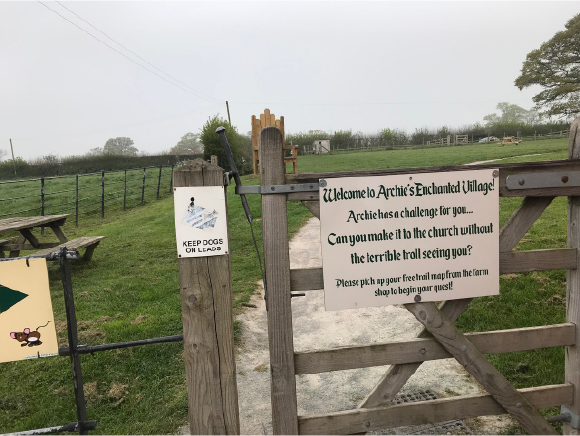
A multi-use property can fulfil functional requirements for adjunct businesses that combine to feed each other financially. Consider these great options:
· The addition of a ‘glamping’ set up or renting a field or location as camping space
· Build an ancillary living space outside of the family residence above a barn where people can vacation and incorporate horse riding instruction or trail riding services could be offered with equines stabled in the stalls below.
· Stall rental and residential living space ‘hunting box’ if the property is near to major show circuit location or events.
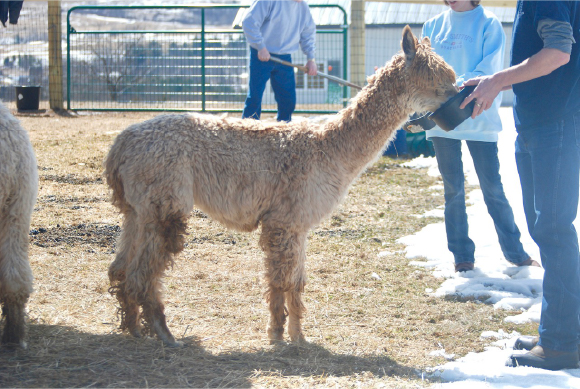
· Add a ‘lead the alpaca’ or similar business. Highly successful ‘hands-on’ farming enterprises also include allowing people to camp on property for free in return for unpaid work help.
· Incorporate a petting zoo area or kid-friendly game area/adventure space on the property.
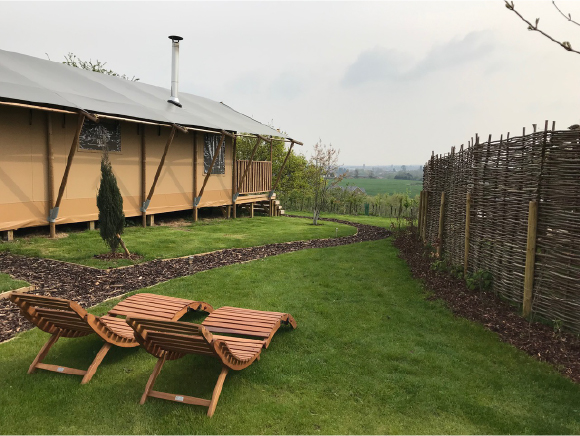
· Short-term or long-term rental income as an Airbnb (C.E.O. Brian Chesky illuminated his plans to extensively harness AI to provide insights on customers’ needs and interests, and to direct them to access to niche experiences based on their preferences). A caveat here: in some townships the rise in Airbnb and vacations rental properties has seen a backlash in public opinion pushed by the hotel and hospitality industry as well as the neighborhood awareness groups. Future restrictions may be applied in any specific region so seek council before establishing an enterprise if necessary.
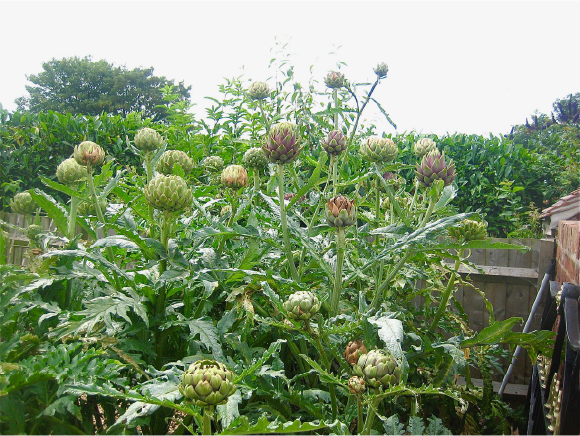
· Grow your own produce to sell on a neighborhood market or offer your own roadside farmstand.
· Install a jacuzzi spa to add value to your rentals or added value to your horse training programs and charge for the option.
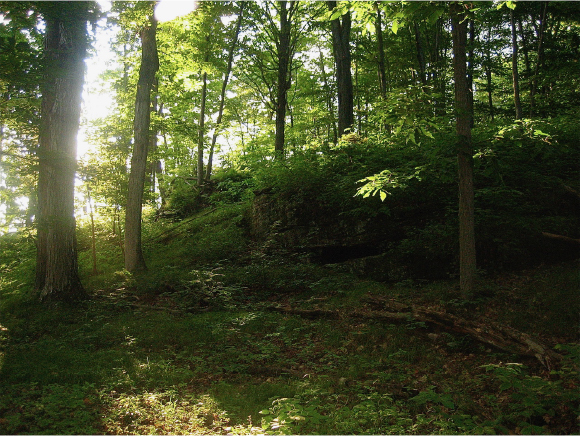
· Create an Agri-tourism business based on foraging woodlands, outdoor activities such as kayaking if you have a pond/lake/river access or set up a market garden enterprise.
· Establish a cidery/vineyard/winery or restaurant/café with tack shop.
· Offer nature walks and professionally guided foraging adventures.
Harness Community Spirit
When you are building your horse business don’t forget to harness community spirit or be shy to open the farm gates and allow the general public on to your property. Specific basis events can be horse related, but they can also incorporate other sports or activities.
Here are some more ideas:
· Rent out an area for a farmer’s market
· Host a charity event where you provide the pony rides and petting zoo
· Throw a foodie pop-up event and include local producers
· Spot as a film, wedding location or graduation event
· Add to your existing equine event kid-friendly competitions such as a local vet judged ‘know your pet’ where the child is judged based on what knowledge they have about the care of their animal
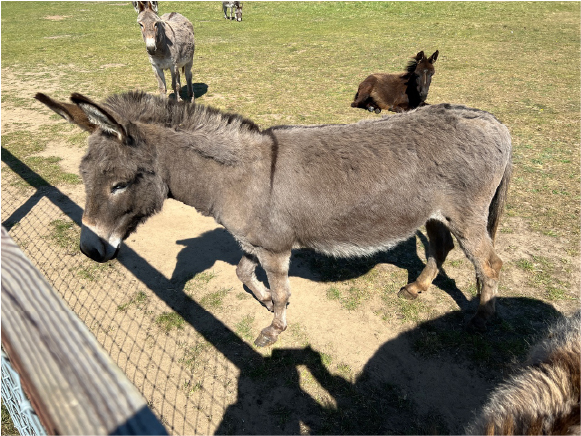
The addition of a pavilion can make all the difference in providing a practical focal point to host everything from the local Fire Dept. fundraiser (don’t forget to offer the fire crews some free horse handling training – they’ll love it), to a ‘get well fundraiser’ with service ponies that will put a smile on faces young and old.
Capture The Cash
Grant yourself some business enterprise cash from Federal, State and local government run programs and review other stewardship organizations in your region. There truly is a wealth of unclaimed opportunities in the form of hard cash that a property owner can obtain to give root to creative development projects.
Applications for most grants are lengthy though reasonably straightforward to complete, and the general rule is always request funding for more identifiable aspects to the project than you might actually expect to obtain. Be forward thinking in your approach.
All Rights Reserved. Copyright ©2024 N. Alvin-Smith - Author